

University of Arizona Faculty and Breast Surgeon Jad M. Abdelsattar, MD, Expands Cancer Education Beyond the Clinic
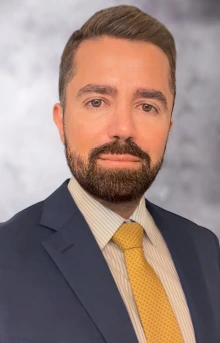
Jad M. Abdelsattar, MD, a clinical assistant professor in the University of Arizona Department of Surgery and breast surgical oncologist and oncoplastic surgeon at the University of Arizona Cancer Center, believes that breast surgeons play an important role far beyond the operating room. Whether he is at a health fair, a church gathering, or a local lecture series, he sees how a simple, informal conversation can help someone better understand their breast cancer risk and finally schedule a screening they have been putting off. For Abdelsattar, breaking down fear and making complex information feel manageable is just as important as clinical work.
His recent presentation at a senior living community in Tucson underscored that commitment. He was invited to speak as part of a local health lecture series, where he discussed “Innovations in Surgery, Genomics, Artificial Intelligence and Personalized Medicine for Better Outcomes and Quality of Life.” The session drew strong engagement from residents, many of whom said they rarely receive such in-depth explanations about modern cancer care.
One attendee told him, “Thank you. We never get to listen to this much information. When we are diagnosed, the hour consultation goes by so fast.”
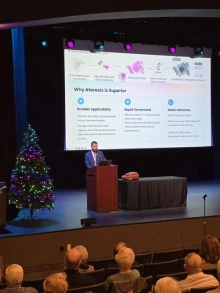
Abdelsattar believes trust remains the foundation of effective care, and moments like these help build it. When patients feel heard and have time to ask questions without being rushed, they are more willing to schedule a mammogram, be open about their concerns and follow through with a treatment plan. Without that trust, even the strongest medical recommendations can fall short. “Patients won’t even come through the door if they don’t feel that connection,” he said.
In Arizona, many challenges are shaped by both personal and practical barriers. Transportation remains a major obstacle and is independently associated with a lower likelihood of completing breast cancer screening, even after accounting for other social needs. Financial constraints add an additional layer of difficulty. Women with public insurance, including Medicaid, are less likely to meet follow-up guidelines for diagnostic mammography compared with women who have private insurance. Hispanic women, Indigenous women and rural residents often face multiple barriers at once, leading to significant delays in care. Abdelsattar said these realities underscore why meeting patients where they are is critical.
In his clinical practice, he strives to keep breast health education simple, visual and accessible. He uses clear diagrams and videos to explain surgery and treatment options and provides customized handouts that summarize each patient’s diagnosis and plan. Patients can take these home to review after an often overwhelming first discussion. “People forget details under stress,” he said. “These summaries help families process what we talked about and stay on track.”
His work in the community has also taught him lessons that medical training did not. He said the most important skill he has learned is to listen first—to understand the life, family, and worries behind each diagnosis. While textbooks teach the science, connecting with the person builds the trust required to guide someone from diagnosis through survivorship.

Looking ahead, Abdelsattar believes several initiatives could strengthen community relationships and improve outcomes. He pointed to the value of building EHR-based outreach lists for women overdue for screening, improving access to prehabilitation for patients with multiple comorbidities and ensuring reliable access to human interpreters in cancer clinics. He said human interpreters remain essential, especially for Hispanic patients, because they can read emotional context and cultural nuances that digital tools may miss. He added that while single outreach events are helpful, consistent engagement is what ultimately leads to earlier detection and saves lives.
Abdelsattar wants community members to understand that being a breast surgeon is not only about performing surgery. He is involved from the moment of diagnosis through treatment and into survivorship, working closely with patients and their families at every step.
“It’s a partnership, not just an operation,” he said. “My job is to support patients throughout the entire journey.”